

Gamers searching for gaming updates TheHakeTech usually want one clear thing: timely, usable information on patches, balance changes, hardware shifts, and meta moves without wading through endless press releases or pure hype. TheHakeTech positions itself as a focused source for exactly that—game updates, strategy insights, and performance-oriented coverage across PC, console, and related tech.
This article explains what the platform actually covers, how its update style differs from general gaming news sites, and how readers can apply the information in practice. Information reflects publicly available descriptions of the site as of mid-to-late 2026; details can evolve, so always cross-check official patch notes for the most current changes.
What TheHakeTech Focuses On
TheHakeTech (appearing under related domains such as thehaketech.com and thehaketech.net in public references) emphasizes practical gaming knowledge rather than pure entertainment commentary. Content commonly includes:
- Patch and update breakdowns that highlight mechanical changes players will actually feel
- Strategy and optimization guidance framed as “hacks” in the sense of smarter play and settings, not unauthorized tools
- Hardware and performance notes relevant to frame rates, input, and gear choices
- Coverage spanning major titles, competitive metas, and broader industry developments
Public descriptions present it as a hub aimed at players who want more control over performance—whether that means understanding a new weapon’s time-to-kill shift, adjusting settings after a balance patch, or tracking how cross-progression and platform updates affect their library. One associated narrative credits founder Kelvor Thryndell with building the platform around deeper mechanical analysis rather than surface-level news.
The tone in available examples tends toward direct testing observations and meta implications instead of lengthy feature stories. That style appeals to readers who open an update page looking for “what changed and what should I do differently tonight.”
How Gaming Updates Are Typically Presented
Useful update coverage on a site like this usually follows a pattern that prioritizes player impact:
- Clear change summary – What numbers, abilities, or systems moved and by how much.
- Practical effect – How those numbers translate into matches or sessions (for example, a fire-rate increase that shortens follow-up shot time by a noticeable margin).
- Meta or playstyle notes – Which roles, maps, or loadouts benefit or lose ground.
- Actionable next steps – Suggested practice focus, setting tweaks, or gear considerations.
This approach helps both casual players who simply want to know if their favorite loadout still works and competitive players tracking ranked shifts. Coverage often extends beyond single games into hardware sync points—how a new console firmware, GPU feature, or peripheral change interacts with recent title updates.
Because the gaming landscape moves quickly, the most valuable pieces distinguish confirmed live changes from rumors or roadmap items. Readers benefit when sources clearly separate the two.
Why Dedicated Update Sources Matter in 2026
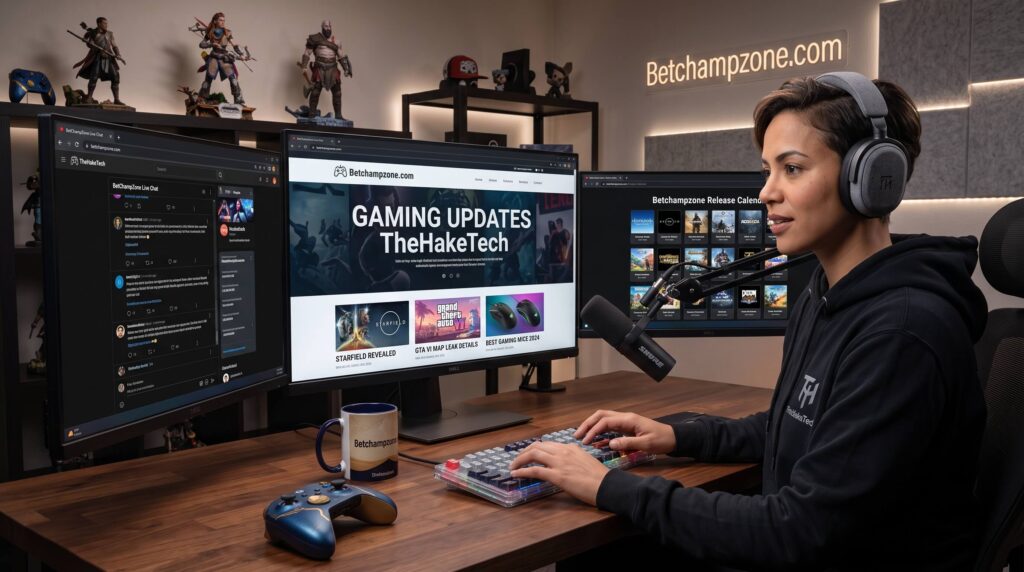
By September 2026 the volume of simultaneous patches, seasonal resets, DLC drops, and hardware refreshes remains high. Major titles continue post-launch support cycles; competitive games iterate weekly or bi-weekly; platforms roll out system-level features that affect performance and compatibility. A general news feed can bury the one change that affects your main game under unrelated announcements.
A focused resource such as gaming updates TheHakeTech can reduce that friction by filtering for relevance and translating technical notes into playable insight. The benefit is greatest when the writing stays grounded in observable results rather than marketing language. Limitations exist too: any single site reflects editorial choices and testing scope, so cross-referencing official patch notes and community trackers remains smart practice.
Practical Ways to Use the Coverage
- Bookmark or follow the sections that match your platforms and genres so updates surface when they matter.
- Read the mechanical breakdown first, then the suggested adjustments—skip pure speculation if you only need the live changes.
- Test one or two recommended tweaks in a low-stakes session before committing them to ranked or hardcore content.
- Pair site insights with official sources and reputable trackers for numbers (damage values, win rates, pick rates) that can shift after the initial wave of data.
- For hardware-related notes, note the specific configuration tested so you can judge relevance to your own setup.
Common pitfalls include treating every suggested “hack” as universal or assuming a patch analysis remains accurate weeks later without verification. Metas evolve; settings that helped last week may need recalibration after the next hotfix.
Who Benefits Most
Players who gain the most from this style of coverage are those who already play regularly and want incremental improvement—understanding why a certain weapon or ability feels different after a patch, or how a small system change cascades into larger strategy shifts. Newer players can still use simplified explanations of major updates, while hardware-focused readers find value in performance-oriented notes.
The platform’s public positioning stresses knowledge that enhances experience rather than shortcuts that risk accounts. That distinction is important: legitimate strategy and optimization content stays within the rules of the games themselves.
Frequently Asked Questions
Does TheHakeTech cover only PC games?
Public descriptions indicate coverage across PC, console, and mobile titles, though depth varies by topic and current release cycle.
How frequently are updates published?
References describe multiple updates per week tied to actual patch releases, launches, and notable trends rather than a rigid daily quota.
Are the “hacks” actual cheats?
Available explanations frame them as performance tweaks, mechanical understanding, and strategy—not tools that violate terms of service.
Should I rely on one site alone?
No single source replaces official patch notes or broad community data. Use specialized coverage as a practical filter and translator.
Closing Perspective
Gaming updates TheHakeTech serve readers who want signal over noise: clear descriptions of what changed, why it matters in actual play, and what to adjust next. The value lies in turning dense patch notes and hardware news into decisions that improve sessions rather than simply listing announcements.
Stay current by combining focused analysis with primary sources, test changes yourself, and treat every meta note as a starting point rather than permanent truth. That approach keeps the information useful long after any single article is published.
