
People searching for EuroGamersOnline Gadgets Archives usually want a clear explanation of what this section contains, how the material is organized, and whether it helps with researching gaming hardware. This article addresses that intent directly. It describes the typical scope of such an archive, the kinds of content readers encounter, practical ways to navigate it, and realistic limitations so you can decide if it meets your needs.
What the EuroGamersOnline Gadgets Archives Typically Includes
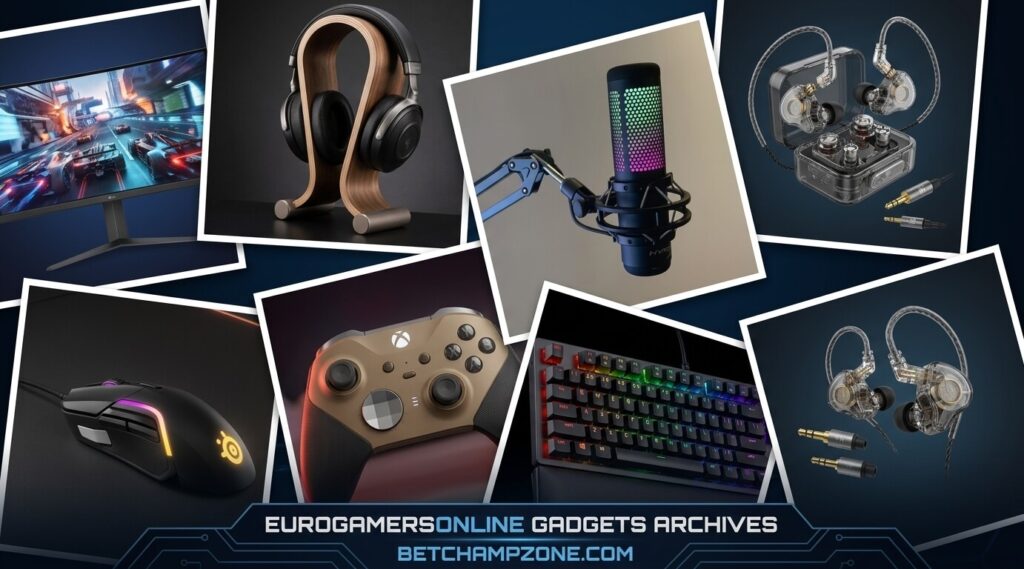
The EuroGamersOnline Gadgets Archives functions as a collection of articles focused on gaming-related hardware and peripherals rather than game reviews or esports coverage. Content centers on physical devices that affect how people play: headsets, controllers, mice, keyboards, monitors, chairs, capture devices, and related accessories. Some entries also touch on consoles, handhelds, or VR gear when the discussion stays hardware-oriented.
Entries generally take the form of individual product reviews, category roundups, comparison pieces, and occasional buying advice. Dates on articles matter because hardware changes quickly. Older reviews remain available for historical context or for readers comparing successive models of the same product line.
Organization usually follows product categories (audio, input devices, displays, seating) combined with tags for brand, release period, wireless/wired status, or feature sets such as RGB lighting or high refresh rates. This structure lets someone looking for a specific type of mouse or headset filter rather than scroll through unrelated material.
How Content Is Typically Structured and Presented
Most pieces follow a familiar review pattern: overview of the product, key specifications, hands-on observations about build quality and daily use, performance notes in relevant game genres, pros and cons, and a short recommendation. Performance discussion often covers comfort during long sessions, microphone clarity for voice chat, sensor accuracy for mice, or latency for wireless devices.
Some archives emphasize chronological or generational views so readers can see how a category evolved. For example, early force-feedback joysticks, the shift from wired to wireless headsets, or the move toward higher DPI sensors and lighter mice. These historical notes give context but do not replace current testing data.
European pricing, VAT considerations, or regional availability sometimes appear because the “Euro” branding suggests an audience that cares about EU market realities. Readers outside Europe should still cross-check local prices and warranty terms.
Practical Ways to Use the Archives
Start with a specific need rather than browsing aimlessly. If you want a quiet mechanical keyboard for shared living spaces, search or filter by switch type and noise level. If you need a headset for competitive FPS titles, look for entries that discuss spatial audio accuracy and microphone performance under real voice-chat conditions.
Cross-reference publication dates. A 2022 review of a wireless headset remains useful for understanding the design approach of that model, but battery life claims, firmware support, and competing products will have changed. Pair older archive material with newer comparison articles when deciding on a purchase.
Look for clear methodology notes. Useful reviews state how long the product was tested, which games or scenarios were used, and whether measurements (latency, battery drain, sound isolation) were taken under controlled conditions. Vague claims without supporting detail carry less weight.
Compare similar products side by side within the archive when multiple reviews exist for the same category. Differences in weight, shape, software support, and long-term durability often matter more than marketing feature lists.
Benefits and Realistic Limitations
The main advantage is centralized access to hardware-focused writing in one place. Readers interested in the tools of gaming rather than the games themselves can stay within a relevant section. Preservation of older reviews also supports research into how specific technologies matured.
Limitations exist. Like many online archives, coverage can be uneven—some popular brands receive multiple detailed reviews while niche or budget options receive less attention. Affiliate relationships may influence which products appear, so treat recommendations as starting points rather than final verdicts. Independent testing standards and sample sizes vary; one person’s multi-week test is not the same as laboratory measurement across dozens of units.
Hardware availability, firmware updates, and pricing shift constantly. An archive entry from last year may describe a product that has been discontinued, revised, or undercut by a newer competitor. Always verify current status before buying.
Common Questions Readers Have
Is the archive only about new releases?
No. It typically keeps older reviews accessible so readers can track evolution within a product line or category.
Does it cover both PC and console gear?
Yes, most entries address peripherals usable across platforms, with some console-specific controllers and accessories included.
How should I treat older reviews?
Use them for design context, known issues, and comparison baselines. Confirm current firmware, compatibility, and pricing elsewhere.
Are the reviews independent?
Editorial independence varies by site. Look for transparent disclosure of review samples, affiliate links, and testing methods.
Where else should I look for confirmation?
Cross-check specifications on manufacturer pages, read recent user feedback on major retailers, and consult specialized hardware sites that publish measurement data when decisions involve significant money.
Closing Perspective
The EuroGamersOnline Gadgets Archives serves readers who want organized access to gaming hardware discussion. Its value depends on clear categorization, dated content, and transparent testing notes. Approach it as one research tool among several: use the structure to locate relevant reviews quickly, note the publication dates, weigh the described experience against your own priorities (comfort, noise, latency, budget), and verify current product status before purchasing. That process turns an archive into practical decision support rather than pure nostalgia or marketing.
