
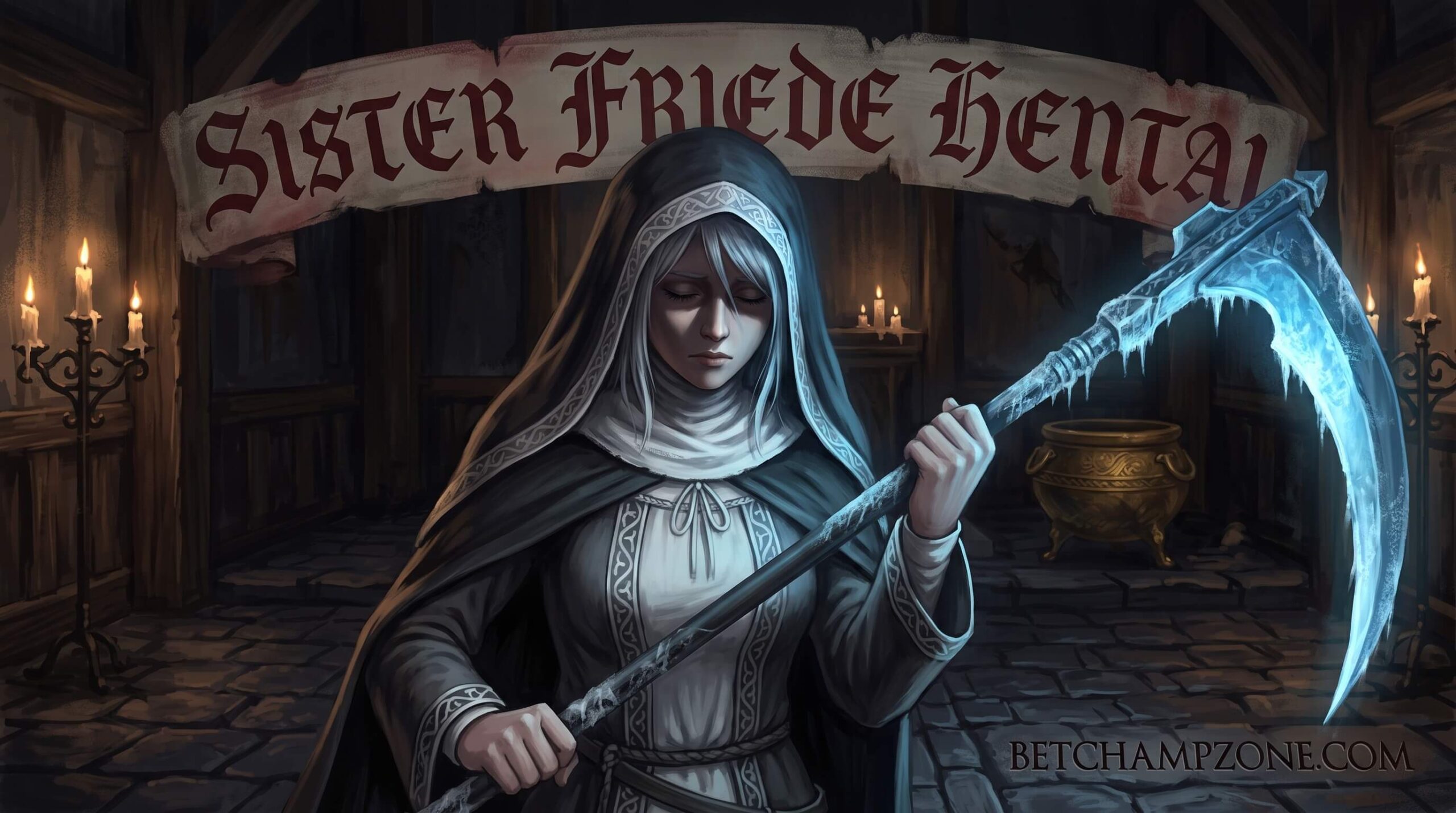
Sister Friede is one of the most distinctive bosses in Dark Souls III’s Ashes of Ariandel DLC. Her pale skin, white hair, nun-inspired attire, and calm-yet-lethal presence have made her a recurring figure in fan art and adult-oriented illustrations. Searches for sister friede hentai usually reflect interest in how artists reinterpret her design, personality, and the atmosphere of the Painted World through erotic lenses.
This article examines why the character draws that attention, the recurring visual and thematic patterns in such works, and practical points for anyone exploring the material. It focuses on the character and artistic trends rather than directing readers to specific sites.
Who Is Sister Friede?
Sister Friede appears in the Ashes of Ariandel expansion. She is a former member of the Sable Church of Londor who has taken residence in the Painted World of Ariandel alongside Father Ariandel. Her story involves themes of stagnation, protection of a decaying painted realm, and conflict with the player over whether the world should be restored or left to rot.
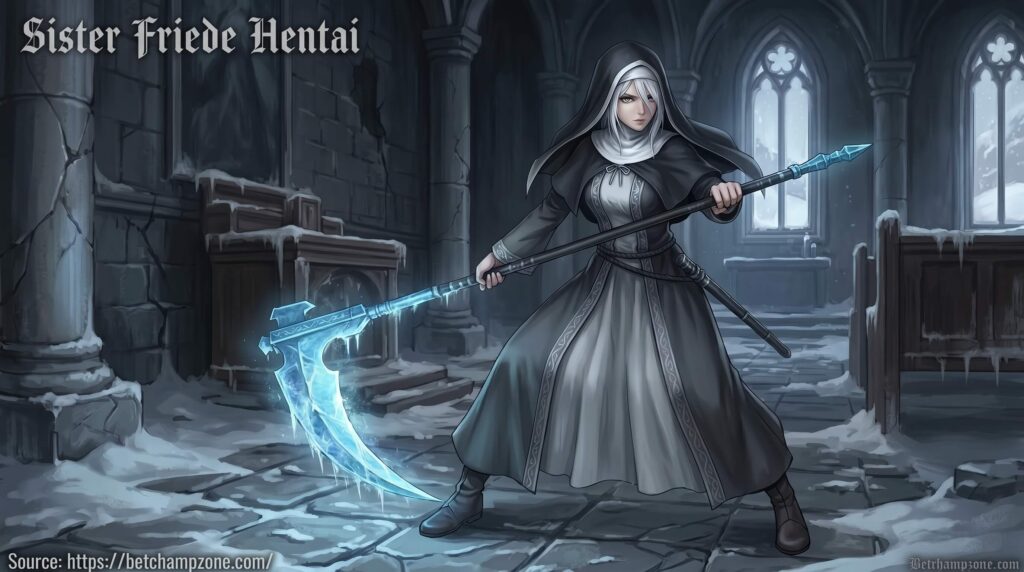
Visually she stands out: long white hair, pale complexion, a black-and-white nun-like habit with a high collar and veil elements, and a slender build. Her combat style mixes graceful movement with cold, deliberate violence across three phases. These traits—religious imagery, quiet intensity, and an otherworldly quality—translate easily into fan interpretations that emphasize contrast between serenity and underlying danger.
Why Sister Friede Appears Frequently in Adult Fan Works
Several design and narrative elements explain the volume of sister friede hentai content:
- Visual contrast. The restrained, almost pure aesthetic of her outfit and coloring invites reinterpretations that play with exposure, fabric, and the tension between appearance and action.
- Atmosphere of isolation. The Painted World is cold, quiet, and sealed. Artists often place her in snowy, ruined, or candle-lit settings that heighten a sense of intimacy or vulnerability.
- Personality cues. In-game dialogue and demeanor project control, restraint, and a protective (if destructive) devotion. Fan works frequently explore power dynamics, forbidden desire, or the breaking of that composure.
- Boss-fight residual appeal. Players who fought her multiple times retain a strong visual memory of her animations and phases, which artists reuse or exaggerate.
These factors are not unique to Friede—other Dark Souls and FromSoftware characters appear in similar material—but her combination of religious iconography and soft, austere design makes her especially adaptable.
Common Themes and Artistic Approaches
Most sister friede hentai falls into a few recognizable patterns:
Outfit variations. Many pieces keep the habit but loosen, tear, or partially remove it. Others replace it with more form-fitting or symbolic clothing while retaining the white hair, pale skin, and veil-like elements so the character remains identifiable.
Setting and mood. Snow, ash, painted landscapes, and dimly lit chapels dominate. The cold environment is often used to create visual contrast with skin or to suggest emotional distance that the scene then bridges.
Tone range. Works span soft, atmospheric pieces focused on expression and lighting to more explicit scenes. Some emphasize dominance or submission tied to her boss status; others portray quieter, almost melancholic encounters that echo the Painted World’s themes of stagnation and quiet suffering.
Style spectrum. Digital paintings, detailed illustrations, and simpler sketches all appear. Higher-effort pieces tend to pay close attention to fabric folds, hair flow, and the cold color palette that matches the game’s art direction.
These patterns reflect what artists and viewers respond to rather than any single “correct” interpretation.
Considerations When Viewing or Creating Related Content
Because the source material is a dark fantasy game with mature themes, adult fan works often inherit that tone. Readers and artists benefit from a few practical points:
- Distinguish official character design from fan additions. Friede’s in-game model and dialogue provide a clear baseline; everything beyond that is creative extension.
- Pay attention to tags and warnings on platforms that host adult material. Themes can include non-consent, power imbalance, or darker elements that not every viewer wants.
- Quality varies widely. Some illustrations show careful study of the original model and lighting; others prioritize speed or extreme exaggeration. Looking for consistent anatomy, lighting that matches the Painted World palette, and clear character recognition helps filter results.
- Context matters. The character’s story involves decay, isolation, and conflict. Works that ignore or invert those elements can feel disconnected from the source for some fans, while others prefer pure visual fantasy.
No single style or theme is required. The volume of material simply means viewers can be selective.
Practical Notes for Fans
If the goal is to find illustrations that feel close to the original character, prioritize pieces that retain the white hair, pale skin, and signature habit silhouette. Artists who study the official concept art and in-game model tend to produce more recognizable results.
For those interested in the broader cultural side, Sister Friede’s popularity in adult art is part of a larger pattern in which FromSoftware characters with strong visual identities and ambiguous moral positioning attract reinterpretation. Her case is notable mainly for how cleanly the nun-like design maps onto both reverence and transgression.
Frequently Asked Questions
Is Sister Friede based on a real historical figure?
No. She is an original character created for Dark Souls III. The design draws on general religious and gothic visual language rather than a specific real-world person.
Does the game itself contain explicit content?
Dark Souls III is rated for mature audiences due to violence and some suggestive elements, but it does not include explicit sexual content. Adult interpretations exist only in fan works.
Why is the religious imagery so common in the fan material?
Her official design already uses a habit-like outfit and titles such as “Sister.” Artists frequently lean into or subvert that imagery because it is already present and visually strong.
Are there consistent character traits across most works?
Hair color, skin tone, and the general silhouette of the outfit are the most reliable identifiers. Personality portrayals range from cold and dominant to more vulnerable or conflicted, depending on the artist.
Closing Perspective
Sister Friede’s presence in adult fan art stems directly from her distinctive design and the atmosphere of the Painted World. The combination of restrained visual language, isolation, and underlying intensity gives artists clear material to work with. Understanding the source character—her appearance, role, and setting—makes it easier to evaluate and appreciate the range of interpretations that exist.
The material is fan-created and highly variable in quality and tone. Approaching it with knowledge of the original character and clear personal boundaries produces a more satisfying experience than treating it as generic content.
