
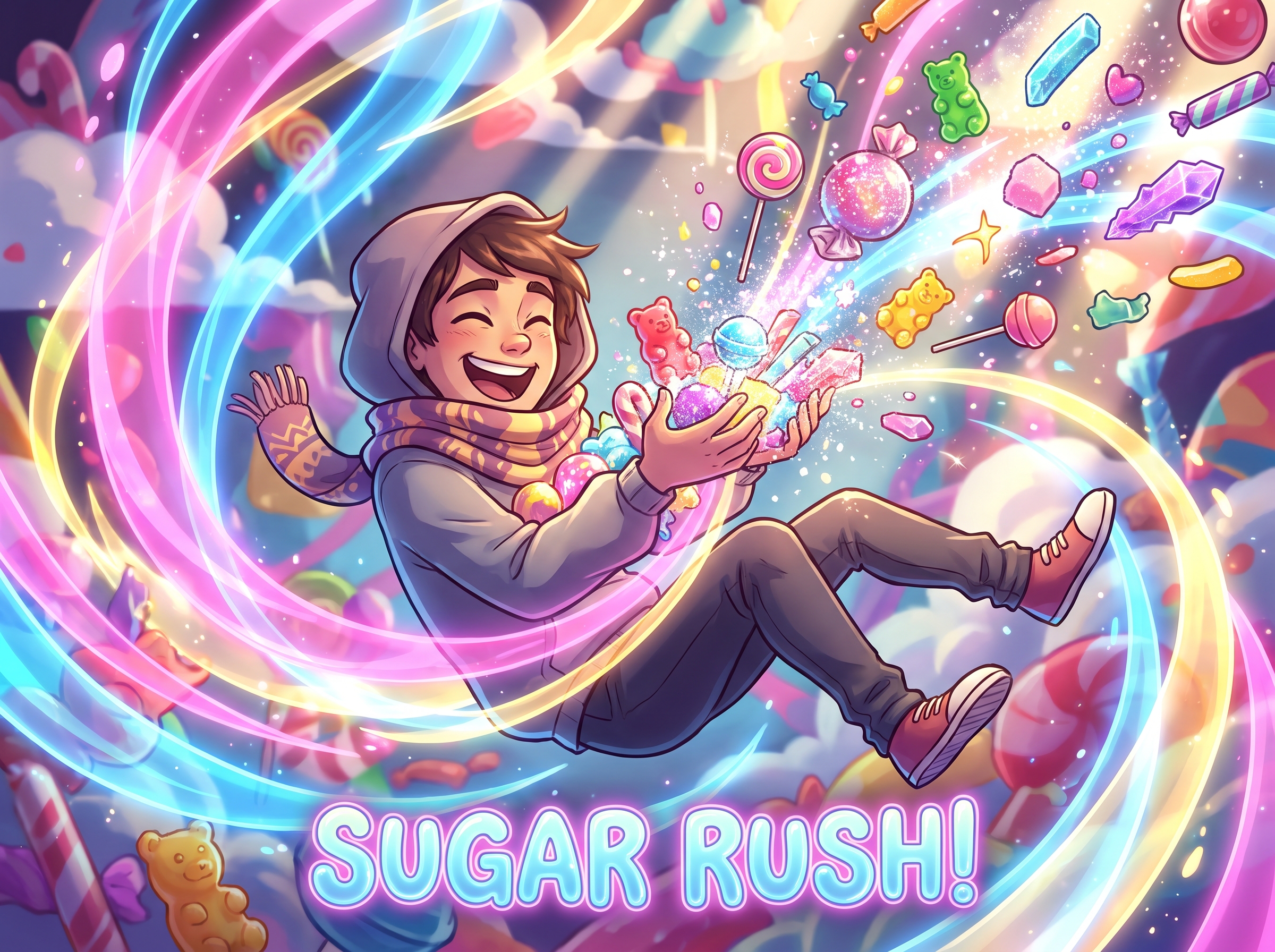
Have you ever devoured a handful of candy or a sugary drink and felt an immediate burst of energy and excitement? That exhilarating sensation many call a sugar rush is familiar to kids and adults alike. Yet behind the fun lies a fascinating interplay of biology, psychology, and long-term health considerations.
In this post, we explore what really happens during a sugar rush, why it feels so powerful, and how to enjoy sweets mindfully without the dreaded aftermath. Whether you’re a parent managing kids’ treats or simply curious about your own energy levels, you’ll gain practical insights grounded in science.
The Science Behind the Sugar Rush Phenomenon
When you consume foods high in simple sugars, your body responds quickly. These carbohydrates break down rapidly, causing blood glucose levels to spike. This triggers a release of insulin to shuttle the sugar into cells for energy.
Many people describe this initial phase as a sugar rush—a feeling of heightened alertness, improved mood, or even euphoria. Part of this comes from dopamine release in the brain’s reward centers, similar to other pleasurable experiences. Evolution wired us to seek out sweet tastes because they signaled calorie-dense foods crucial for survival.
However, research shows the classic idea of a sugar rush causing hyperactivity, especially in children, is largely a myth. Studies, including double-blind trials, found no consistent evidence linking sugar directly to increased behavioral activity. Parental expectations often amplify perceived effects instead.
What feels like boundless energy is often a combination of the quick glucose availability, the joy of indulgence, and situational factors like parties or celebrations.
What Happens After the Peak: The Sugar Crash Reality
The flip side of the sugar rush is the subsequent drop. As insulin works overtime to clear excess glucose, blood sugar can plummet, leading to reactive hypoglycemia in some cases. This “crash” brings fatigue, irritability, difficulty concentrating, shakiness, or headaches.
Frequent sugar rush cycles can contribute to energy fluctuations throughout the day, making it harder to stay productive. Over time, excessive added sugar intake links to broader concerns like inflammation, disrupted sleep, and increased risk for metabolic issues.
Understanding this rollercoaster helps explain why that afternoon candy bar might leave you reaching for another pick-me-up soon after.

Why We Crave the Sugar Rush Experience
Our brains and bodies are wired to love sweetness. Sugar activates reward pathways, releasing feel-good chemicals that reinforce the behavior. This can create a cycle where we associate treats with comfort or celebration.
Modern diets full of processed foods make sugar rush moments more common and intense. Unlike natural sugars in whole fruits, which come with fiber to slow absorption, added sugars in sodas, candies, and baked goods hit faster.
Recognizing these cravings as normal doesn’t mean giving them up entirely. Instead, it opens the door to smarter choices that satisfy without extreme swings.
Balancing Enjoyment with Stable Energy
The goal isn’t to eliminate sweets but to manage them wisely. Pairing sugary treats with protein, healthy fats, or fiber slows digestion and moderates the blood sugar response. For example, enjoying fruit with nuts or dark chocolate with almond butter provides satisfaction while promoting steadier energy.
Staying hydrated, eating regular balanced meals, and incorporating movement after eating can also help minimize crashes. A short walk post-indulgence supports better glucose utilization.
For those monitoring blood sugar or with conditions like diabetes, consulting a healthcare professional remains essential for personalized advice.
Long-Term Strategies for a Healthier Relationship with Sweets
Building sustainable habits around sugar transforms occasional sugar rush experiences from disruptive to enjoyable. Focus on whole foods most of the time, reserving treats for meaningful moments. Mindful eating—savoring each bite slowly—enhances satisfaction and reduces overconsumption.
Explore alternatives like naturally sweet options or recipes with reduced sugar. Over weeks, taste buds adapt, making less intense sweetness more appealing.
Check out our guide on balanced snacking ideas for more inspiration. For deeper reading on nutrition science, see resources from Harvard Medical School on sugar and the brain.
FAQs
What is a sugar rush?
A sugar rush refers to the temporary feeling of energy or excitement after consuming sugary foods, driven by a quick rise in blood glucose and dopamine release.
Is the sugar rush a real biological effect?
It’s partially real due to blood sugar changes, but the hyperactivity myth (especially in kids) lacks strong scientific support and often stems from expectations.
What causes a sugar crash after the rush?
Rapid insulin release following a glucose spike can lower blood sugar quickly, leading to fatigue, irritability, and other symptoms.
How can I prevent a sugar crash?
Pair sweets with protein or fiber, eat balanced meals regularly, stay hydrated, and move after indulging to stabilize energy levels.
Are occasional sugar rushes harmful?
In moderation, they’re usually fine for healthy people. Problems arise with frequent or excessive intake,
Conclusion
The sugar rush captures the joy of simple pleasures while reminding us of the importance of balance. By understanding the science—from the initial spike to potential crash—you can make informed choices that support steady energy and overall well-being. Next time you reach for something sweet, do so with awareness and enjoyment. Your body will thank you for the thoughtful approach.
YOU CAN ALSO READ MY ARTICLE
Competitive Edge The Serpent Rogue Strategy Guide 2026 Tips
Gaming Hacks ScookieGeek: Pro Tips to Level Up
